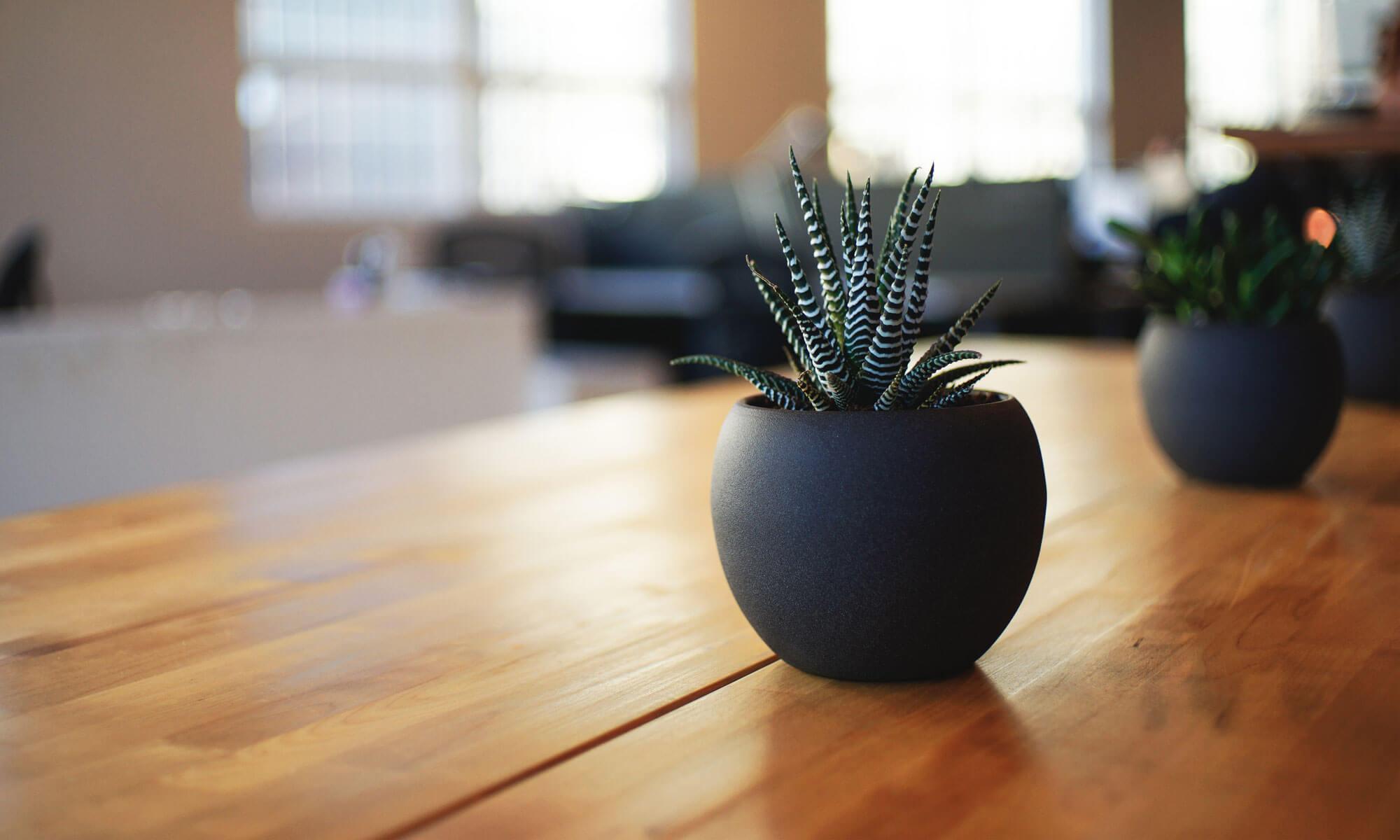
- Seasonal flavors unfold from autumn gardens to a delightful bon rush experience
- The Art of Autumnal Flavor Combinations
- The Role of Spices in Autumnal Cuisine
- Crafting the Perfect Autumnal Beverage
- The Role of Texture and Presentation
- Elevating Presentation Techniques
- Beyond the Plate: The Social Aspect
- Expanding the Sensory Experience: Ambient Elements
Seasonal flavors unfold from autumn gardens to a delightful bon rush experience
The arrival of autumn often signals a shift in preferences, a craving for warmer, richer flavors that mirror the changing landscape. This seasonal transition is beautifully captured in the experience of a bon rush—a delightful indulgence born from the bountiful harvest and the tradition of savoring the season’s best offerings. It’s a moment to embrace comfort, to share in the pleasure of expertly crafted treats, and to allow oneself a small, decadent escape from the everyday.
This isn't merely about consumption; it's about a feeling, an atmosphere, and a connection to the natural rhythm of the year. From the first crisp leaves underfoot to the cozy evenings spent indoors, the desire for something special intensifies. The idea of a 'bon rush' encapsulates this – the joyful surge of seeking out and enjoying exceptional tastes, textures and aromas that define the autumn season. It's a cultural experience as much as a culinary one, reflecting a deep rooted appreciation for quality and tradition.
The Art of Autumnal Flavor Combinations
The foundation of any truly satisfying experience lies in the careful selection and combination of ingredients. Autumn presents an extraordinary palette of flavors, from the earthy sweetness of root vegetables to the tangy zest of late-season fruits. Chefs and confectioners skillfully blend these elements to create profiles that are both comforting and sophisticated. Consider the classic pairing of apple and cinnamon – a seemingly simple combination that evokes feelings of warmth and nostalgia. Or the more complex interplay of pear, ginger, and cardamom – offering a subtle spice and enticing aroma. These pairings aren’t accidental; they’re born from years of experimentation and a deep understanding of how different flavors complement and enhance each other.
Furthermore, the texture plays a crucial role in enhancing the experience. A crisp apple offering a satisfying crunch, a creamy pumpkin spice latte, or a chewy caramel – each texture adds another dimension to the overall sensory experience. The best autumnal delicacies are those that offer a harmonious blend of flavors and textures, creating a multi-sensory delight. A key aspect of achieving this harmony is understanding the science of flavor pairing. Certain chemical compounds found in different foods interact with our taste receptors in unique ways, creating synergistic effects which elevate the enjoyment of all ingredients.
The Role of Spices in Autumnal Cuisine
Spices are undoubtedly the stars of autumn baking and beverage creation. Beyond simply adding flavor, spices contribute warmth, depth, and complexity to any dish. Cinnamon, nutmeg, cloves, and ginger are staples for a reason – their aromas and flavors are inextricably linked to the season. However, the use of spices extends far beyond these traditional choices. Cardamom, with its slightly floral and citrusy notes, can add an unexpected twist to pumpkin pie. Allspice, a blend of flavors reminiscent of cinnamon, nutmeg, and cloves, offers a convenient way to infuse a dish with autumnal warmth. Experimentation with different spice combinations is encouraged—don't be afraid to venture beyond the familiar to discover your own signature autumn blend.
The quality of the spices themselves is also paramount. Using freshly ground spices, whenever possible, will yield a far more potent and aromatic result compared to pre-ground options. Storing spices properly – in airtight containers, away from light and heat – is also essential to preserve their flavor and potency. Understanding the origin and processing methods of spices can also influence the final flavor profile. For example, Ceylon cinnamon boasts a more delicate and nuanced flavor compared to the bolder, often sharper, flavor of Cassia cinnamon.
| Cinnamon | Warm, sweet, slightly woody | Baking, beverages, savory dishes |
| Nutmeg | Warm, nutty, slightly sweet | Baking, custards, sauces |
| Cloves | Strong, pungent, warming | Baking, spiced beverages, marinades |
| Ginger | Spicy, zesty, warming | Baking, stir-fries, teas |
The careful application of spices is a cornerstone of the delightful experience that embodies the spirit of a bon rushtransforming ordinary ingredients into something truly spectacular.
Crafting the Perfect Autumnal Beverage
Beyond baked goods, the autumn season also inspires a range of warm and comforting beverages. From spiced apple cider to creamy pumpkin lattes, these drinks offer a delightful counterpoint to the cooler temperatures. The key to a truly exceptional autumnal beverage lies in the quality of the ingredients and the balance of flavors. Using fresh apple cider, rather than processed juice, will result in a more nuanced and flavorful drink. Similarly, using real pumpkin puree, rather than artificial flavoring, will elevate a pumpkin spice latte to new heights. Considering the type of milk used can also significantly impact the final product; oat milk provides a creamy texture and subtle sweetness, while almond milk offers a lighter, more delicate flavor.
The art of beverage making also extends to presentation. Serving a warm drink in a festive mug, garnished with a sprinkle of cinnamon or a dollop of whipped cream, can enhance the overall experience. A touch of creativity in presentation adds to the enjoyment and reflects a sense of care and attention to detail. Beyond the standard options, experimenting with seasonal infusions can elevate your beverage game. Consider adding a sprig of rosemary to your cider for a subtle, herbaceous note, or infusing your milk with a vanilla bean for a richer, more aromatic flavor.
- Prioritize high-quality ingredients – fresh apples, real pumpkin puree, and premium spices.
- Experiment with different milk alternatives to find your preferred texture and flavor.
- Don't be afraid to try unusual flavor combinations – rosemary and apple, cardamom and pear, or ginger and cranberry.
- Pay attention to presentation – a festive mug and a thoughtful garnish can elevate the experience.
- Adjust sweetness levels to your liking, using natural sweeteners like maple syrup or honey.
The warmth and comfort of a well-crafted autumnal beverage are central to the feeling of a bon rush, creating a moment of cozy indulgence that perfectly captures the essence of the season.
The Role of Texture and Presentation
The sensory experience isn’t limited to taste and smell; texture and presentation play an equally important role. A soft, crumbly cookie, a smooth, velvety mousse, or a light, airy pastry – each texture contributes to the overall enjoyment of a treat. The contrast between different textures can also be particularly appealing. For example, the combination of a crunchy pecan pie crust with a smooth, chewy filling creates a delightful interplay of sensations. Similarly, the presentation of a dish or beverage can significantly impact our perception of its quality and appeal. A beautifully plated dessert, garnished with fresh fruit or a dusting of cocoa powder, is far more enticing than a haphazardly presented one.
Presentation is also an opportunity to showcase the seasonality of ingredients. Arranging slices of apple in the shape of a flower, or scattering vibrant autumn leaves around a dessert, can create a visually stunning and thematically appropriate presentation. Creating a cohesive aesthetic, from the choice of dishware to the garnishes used, can elevate the entire dining experience. The ultimate aim is to create a visually appealing experience that stimulates the appetite and enhances the enjoyment of the flavors within.
Elevating Presentation Techniques
Mastering a few simple presentation techniques can drastically improve the visual appeal of your creations. Consider the use of contrasting colors and textures to create visual interest. A sprinkle of powdered sugar on a dark chocolate cake, for instance, creates a striking contrast. Utilizing edible flowers or fresh herbs can add a touch of elegance and sophistication. Even the way you slice a cake or arrange fruit can make a difference. Taking the time to thoughtfully present your food and beverages demonstrates a commitment to quality and attention to detail, enhancing the overall experience for yourself and those you share with.
Consistency is also important. Maintaining a consistent style or aesthetic across all your dishes and beverages creates a sense of harmony and professionalism. Whether you prefer a rustic, farmhouse style or a more modern, minimalist aesthetic, sticking to a consistent theme will elevate the overall impression. Remember, presentation is about more than just making something look pretty; it’s about conveying a sense of care, quality, and thoughtfulness.
- Choose a consistent aesthetic – rustic, modern, minimalist, etc.
- Utilize contrasting colors and textures to create visual interest.
- Incorporate edible flowers or fresh herbs for added elegance.
- Pay attention to detail – the way you slice, arrange and garnish.
- Maintain consistency across all your creations.
These considerations contribute to creating the full, immersive sensory experience which defines a superior sense of a bon rush.
Beyond the Plate: The Social Aspect
The experience of a bon rush isn't solely about the individual enjoyment of flavors and textures. It’s also deeply rooted in the social aspect of sharing these delights with others. Autumn is a time for gatherings, for celebrating the harvest, and for fostering a sense of community. Sharing a warm apple pie with family and friends, or hosting a cozy autumn-themed party, enhances the sense of joy and togetherness. The act of preparing and sharing food is itself a gesture of love and hospitality.
Creating a welcoming atmosphere is crucial for fostering a sense of community. Setting a festive table, lighting candles, and playing comforting music can all contribute to a relaxed and inviting ambiance. Encouraging conversation and laughter creates a sense of warmth and connection. The ritual of sharing a meal or a treat fosters a sense of belonging. The social dimension amplifies the pleasure of the experience, transforming it from a solitary indulgence into a shared celebration. Ultimately, the most memorable experiences are often those that are shared with loved ones.
Expanding the Sensory Experience: Ambient Elements
The pursuit of complete sensory engagement extends beyond taste, smell, texture, and sight. Incorporating ambient elements—sounds, temperature, even the very air—can transform a simple indulgence into a truly immersive experience. Imagine enjoying a warm apple cider by a crackling fireplace, accompanied by the gentle sounds of falling rain. The combination of these sensations creates a powerful sense of comfort and contentment. Conversely, a brightly lit, noisy environment can detract from the enjoyment of even the most exquisite flavors. Creating the right atmosphere is about carefully curating every element of the sensory experience.
Consider the use of aromatherapy to enhance the autumnal mood. Scents of cinnamon, clove, and pumpkin can evoke feelings of warmth and nostalgia. Utilizing soft lighting, perhaps with the glow of candles, can create a cozy and inviting ambiance. Ensuring a comfortable temperature—not too hot, not too cold—is also essential. The goal is to create a holistic sensory experience that engages all the senses and transports you to the heart of the autumn season. This holistic approach is central to the concept of a truly satisfying experience—a complete sensory envelopment that transforms a simple act of consumption into something truly extraordinary.